


Citrus perfumes
Bright, sparkling, sunny: citrus perfumes put citrus essences at their heart. Calabrian bergamot, lemon, grapefruit, orange and mandarin light up the opening and rest on aromatic herbs, flowers and woods, all the way to musk, amber and vanilla. They are lovely in summer and by day, but not only: with a woody or musky base they suit many occasions, from the most classic cologne to Eau de Parfum. Here you will find citrus perfumes from the finest international niche brands.
The 10 best niche citrus perfumes
Our top 10: the most loved citrus perfumes in our boutique.
-
N. 1
 Unique'e Luxury
Zen'gi
Woody citrus: grapefruit, bergamot and ginger over honey, olibanum and patchouli, vanilla, cedarwood and amber. €419,00 -
N. 2
 Kajal
Kajal III
Aromatic citrus: grapefruit, lemon zest and sparkling lemonade over ginger, neroli and lavender, amber and patchouli. €230,00 -
N. 3
 Thameen London
Green Pearl
Aromatic citrus: bergamot, mandarin and apple over tea, pepper and artemisia, oakmoss and tonka bean. €205,00 -
N. 4
 Akro
Bake
Citrus gourmand: lemon zest and rum over chantilly cream and praline, cane sugar and vanilla. From €85,00 -
N. 5
 M. Micallef
Gntonic
Citrus aromatic: bitter orange, lime and a gin and tonic accord over cedarwood and nutmeg, vetiver and amber. €245,00 -
N. 6
 Unique'e Luxury
Istanbul
Citrus gourmand: citrus, lemon tea and pink pepper over neroli and jasmine, vanilla, toffee and sandalwood. €259,00 -
N. 7
 Kajal
Topaz
Amber citrus: black lemon, elderflower and rum over cassis and candied lemon, ambergris and musk. €240,00 -
N. 8
 Lorenzo Pazzaglia
Speachless
Citrus fruity: sweet orange, pink grapefruit and peach over osmanthus, jasmine and rose, patchouli and vanilla. €145,00 -
N. 9
 Goldfield & Banks
Bohemian Lime
Aromatic citrus: Australian finger lime and coriander over green notes and Haitian vetiver, Atlas cedar and Australian sandalwood. €180,00 -
N. 10
 Essential Parfums
Nice Bergamote Extrait de Parfum
Floral citrus: bergamot and bitter orange over ylang-ylang and jasmine sambac, cedarwood, patchouli and tonka bean. €98,00


All citrus perfumes
10 of 73 perfumes with the selected filters.
10 of 73 products
-
GREEN PEARL
Vendor:Thameen LondonRegular price €205,00Regular priceUnit price for -
PALACE GROVE
Vendor:Habibi New YorkRegular price €250,00Regular priceUnit price for -
SCORZAFORZA
Vendor:Bois 1920Regular price €195,00Regular priceUnit price for -
AGRUMI AMARI DI SICILIA
Vendor:Bois 1920Regular price From €55,00Regular priceUnit price for


A guide to citrus perfumes
What is a citrus perfume?
A citrus perfume, or hesperidic perfume, is one dominated by citrus essential oils: bergamot, lemon, orange, mandarin, grapefruit. The name comes from the Hesperides, the nymphs of Greek mythology linked to Hesperos, the evening, and therefore called the “daughters of the evening”: in the far west they guarded the garden of the golden apples, watched over by the dragon Ladon, and stealing that fruit was one of the labours of Heracles. The golden apples were later identified with citrus fruits, and perfumery took the family's name from here.
Most citrus essences are obtained from the peel by cold pressing, one of the three methods of producing essential oils recognised by the ISO standard. Lime is also obtained by distillation, the same route as petitgrain, from the leaves, and neroli, from the flowers. Citrus notes are top notes: their small, light molecules evaporate quickly and give the fresh sensation you perceive first. To make them last longer, perfumers rest them on heart and base notes and on fixatives.
From the peel, the leaves or the flowers?
The world of citrus reaches the bottle in three different ways.
The peel essence
The classic route
- What it isThe essential oil held in the peel of the fruit, which carries its scent
- How it is madeBy cold pressing the peel
- For exampleCalabrian bergamot: the peel was once pressed by hand and the essence gathered with natural sponges, while today peeling machines rasp it
Petitgrain
From the leaves and twigs
- What it isThe essence of the leaves and twigs of the bitter orange tree
- How it is madeBy steam distillation
- For examplePetitgrain from Paraguay, fresh and green, with a hint of orange blossom
Neroli
From the flowers
- What it isThe essence of the flowers of the same bitter orange tree
- How it is madeBy steam distillation of the flowers
- For exampleNeroli from Tunisia, from the Nabeul region, with flowers picked in spring: floral, sweet and citrusy
A single tree, the bitter orange, thus gives three different scents: the peel essence, petitgrain and neroli. And lime bridges the two techniques: it is obtained both by cold pressing the peel and by distilling the whole fruit.
From Cologne to Calabria: the story of citrus perfumes
Greek myth gave the family its name; its modern story begins with eau de cologne, the forerunner of the hesperidic family. The main milestones:
- 1709In Cologne, Giovanni Maria Farina, from the Valle Vigezzo in Italy, creates the original Eau de Cologne. The recipe is still the original one: the house cites oranges, lemons, grapefruits, bergamot and citron, together with flowers and herbs from his homeland, and still produces it today.
- Late 18th centuryWilhelm Mülhens sells his eau de cologne in Cologne; it will take the name 4711 from the house number of his home in Glockengasse: bergamot, lemon and orange, with neroli, petitgrain, lavender and rosemary.
- 1966Eau Sauvage by Dior, created by Edmond Roudnitska, opens on lemon and bergamot: according to Firmenich, it was with Eau Sauvage that Hedione entered fine perfumery.
- 1969Ô de Lancôme, created by Robert Gonnon: a fresh citrus with mandarin, bergamot, basil and rosemary, together with sandalwood, vetiver and oakmoss.
- 1970Eau de Rochas, created by Nicolas Mamounas: a classic of the citrus family.
- 1979Eau d'Orange Verte by Hermès, created by Françoise Caron.
- 1992Michael Edwards creates the Fragrance Wheel: in today's version Citrus is a subfamily of the Fresh family, alongside Water and Green.
- 1994CK One by Calvin Klein, created by Alberto Morillas and Harry Fremont: a bergamot citrus made for both men and women.
- 2001The PDO “Bergamotto di Reggio Calabria – Olio essenziale” is established, reserved for the essence of the fruit.
- 2020IFRA publishes the 49th amendment of its standard on citrus oils and furocoumarins, which limits bergapten in products for skin exposed to the sun. For the same reason perfumery also uses a bergamot freed of furocoumarins.
Today niche perfumery takes citrus in every direction: from the most classic cologne to aromatic, floral, woody and chypre citrus perfumes.
The raw materials of citrus perfumes

Bergamot
Citrus bergamia · Calabria
About 90% of the world's bergamot comes from Calabria, from a strip of coast about 100 km long between Villa San Giovanni and Gioiosa Jonica, and since 2001 its essence has had a PDO. It is obtained from the peel, cold pressed: it takes about 200 kg of fruit to make 1 kg of essence. After limonene, its main molecules are linalyl acetate and linalool.
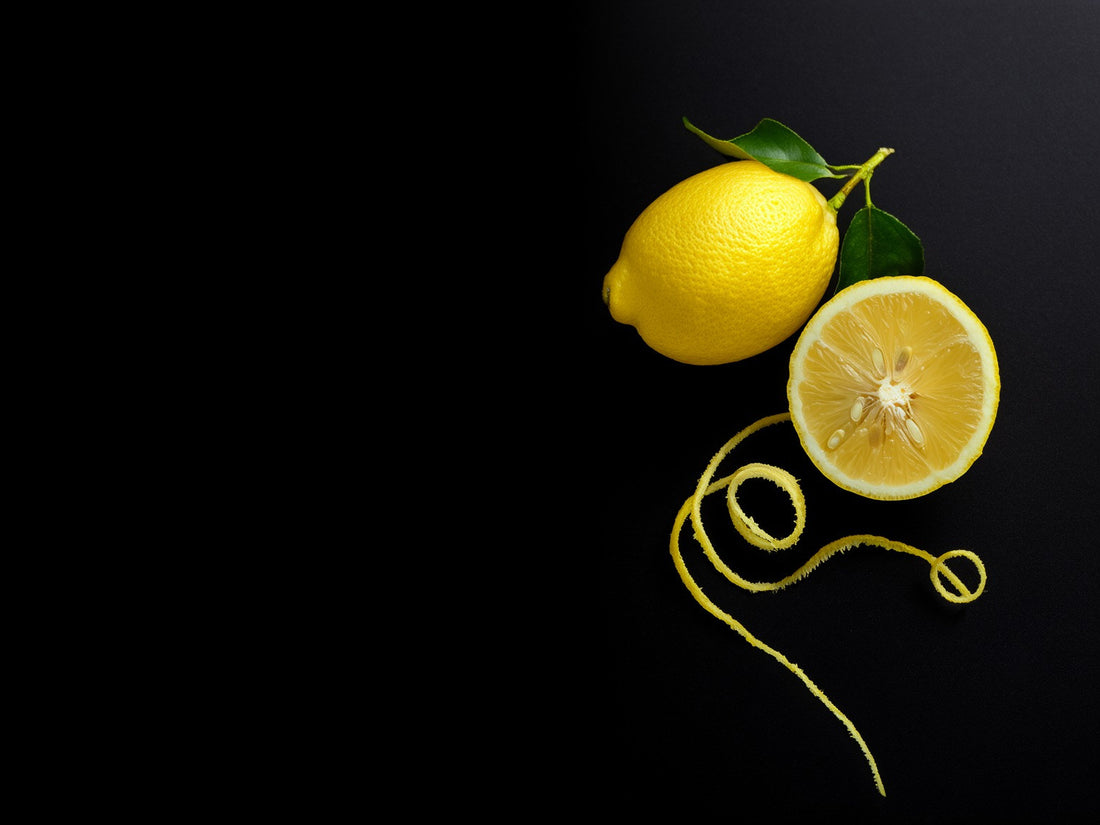
Lemon
Citrus limon · Argentina
It is a hybrid of bitter orange and citron. The essence is cold pressed from the peel, and today the leading producer of lemon essence is Argentina, above all the province of Tucumán. Limonene makes up about 70% of it, but the typical scent of lemon comes from citral, at around 2%.
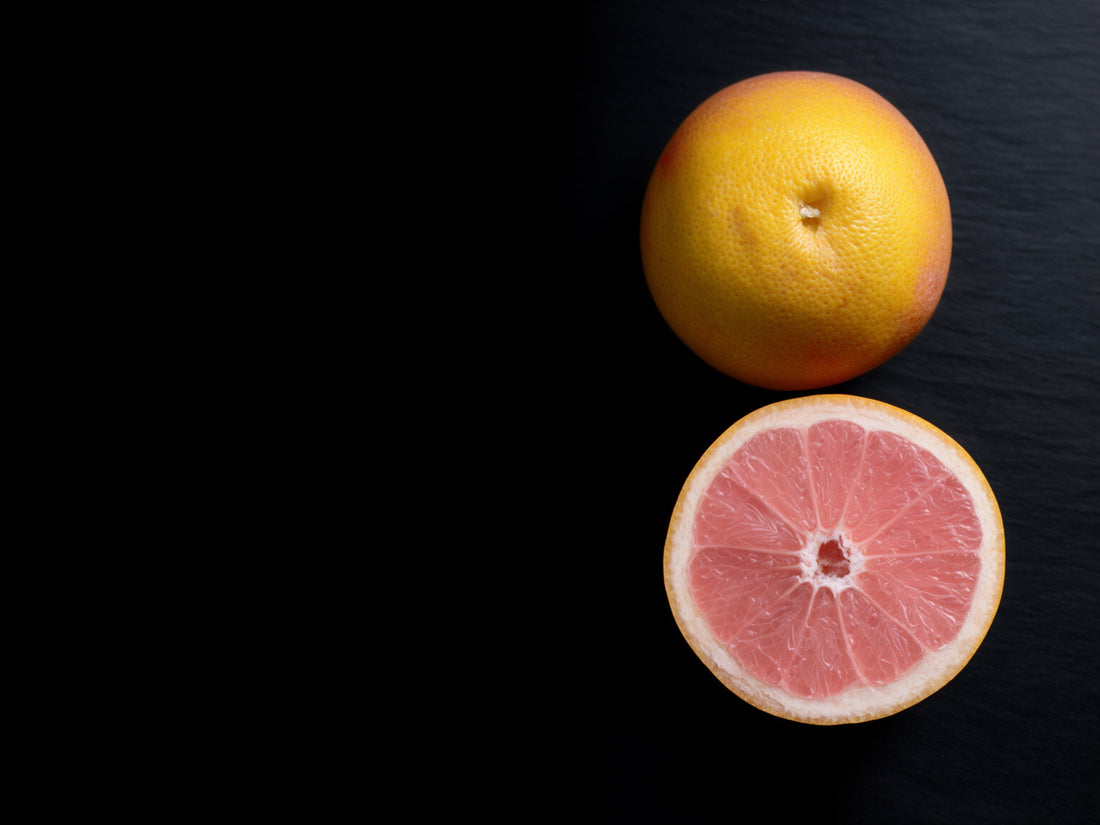
Grapefruit
Citrus × paradisi · Caribbean
It is a hybrid of pomelo and sweet orange: the first to mention it, in 1750, was the Welsh Reverend Griffith Hughes, who called it the “forbidden fruit” of Barbados. Its signature molecule is nootkatone, which today is made from valencene, also with enzymes and fermentation.
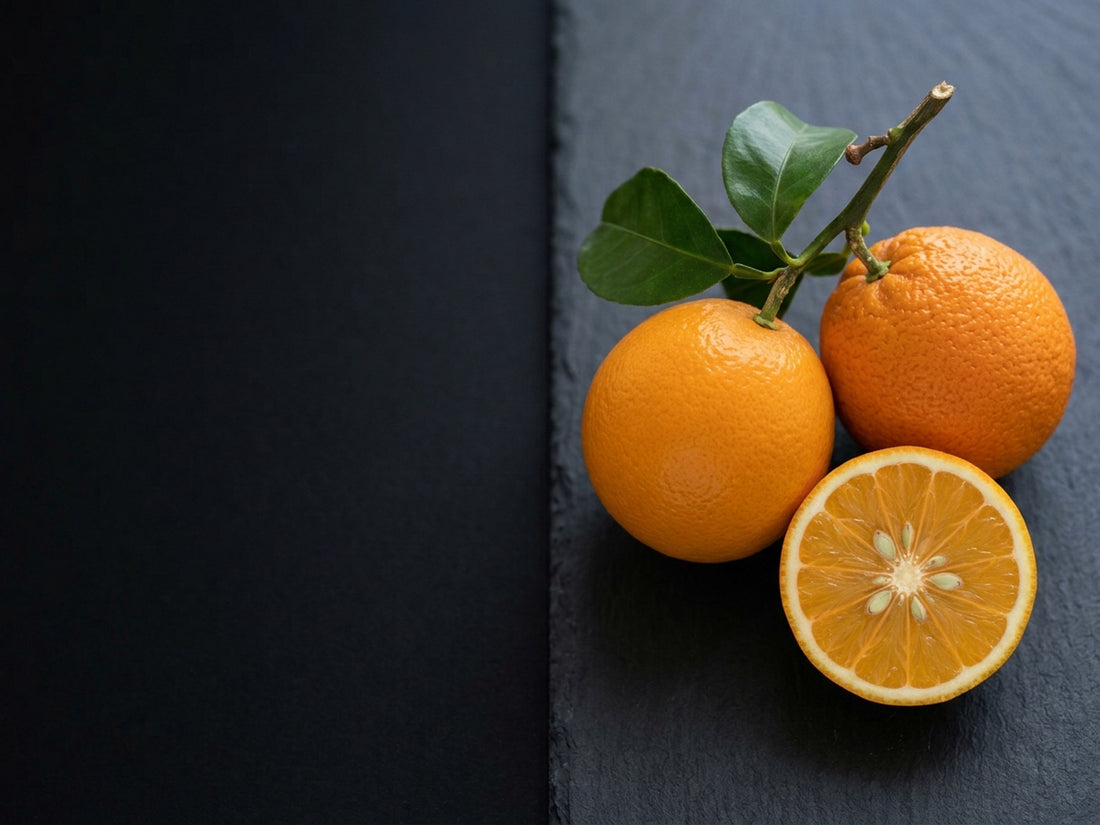
Sweet and bitter orange
Citrus sinensis · Brazil and China
Sweet orange essence is cold pressed from the peel and collected from fresh oranges as they are squeezed for juice. The bitter orange, Citrus × aurantium, is instead the tree of three scents: neroli and orange blossom absolute from the flowers, bigarade essence from the peel, petitgrain from the leaves and twigs.

Mandarin
Citrus reticulata · Sicily and Calabria
The essence is cold pressed from the peel.

Lime
Citrus aurantiifolia and Citrus latifolia · Mexico and Brazil
There are two limes: the Key lime or Mexican lime, small, round and often picked green, and the Persian or Tahiti lime, larger and seedless. For distilled essence the whole fruit is pressed and the emulsion of juice and oil is steam distilled; for cold-pressed essence the peel is rasped and the oil is separated in a centrifuge.
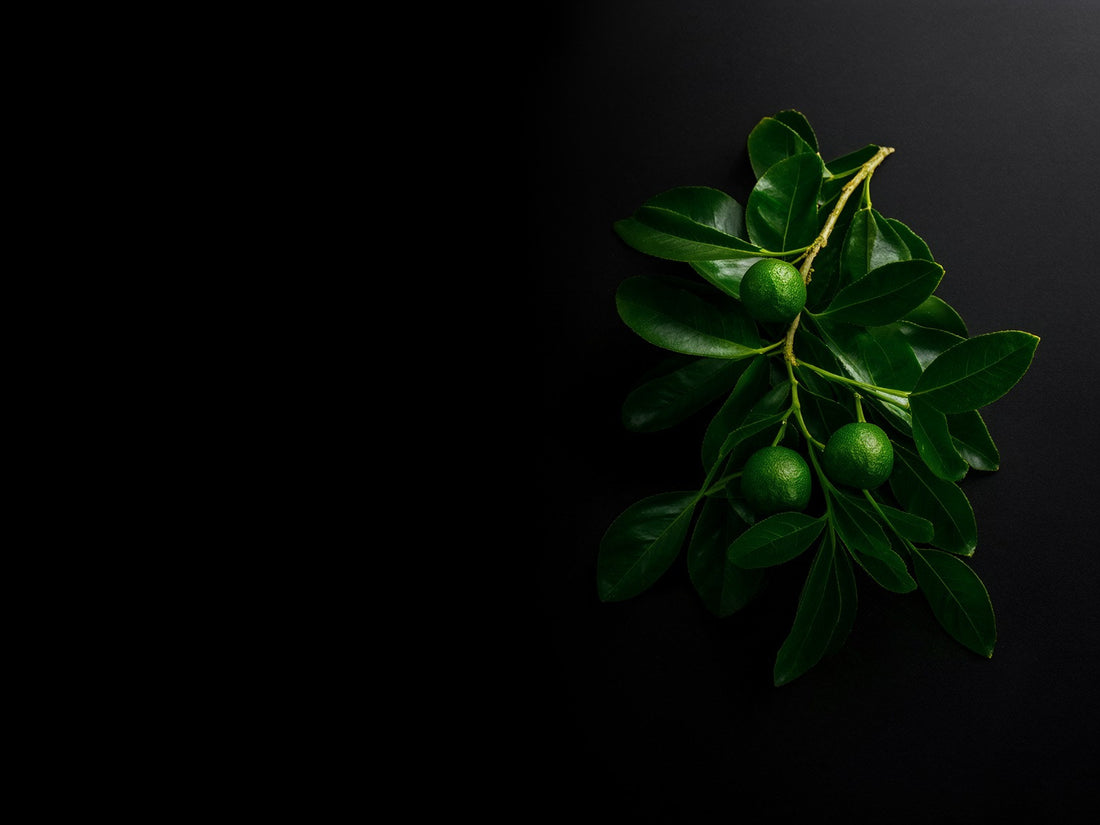
Petitgrain
Citrus aurantium var. amara · Paraguay
“Petitgrain” means “small grain”: the name originally referred to the small, green, unripe fruits of the bitter orange, then passed to the essence distilled from the leaves and twigs. Today it comes mainly from Paraguay. It grows on the same tree as neroli and orange blossom, and its main molecules are linalool and linalyl acetate.

Citron and yuzu
Citrus medica and Citrus junos · Calabria and Japan
Citron is one of the three ancestral citrus fruits, with pomelo and mandarin, from which all the others are thought to descend: in Calabria the Liscia-Diamante cultivar is grown. Yuzu is native to China and reached Japan by the 8th century; it is picked green, as aoyuzu, or yellow and ripe, as kiyuzu.
The nuances of citrus perfumes
Citrus can be pure and sparkling or meet herbs, flowers, spices and woods. From the freshest to the warmest, here are its main faces:
← FreshWarm →
Cologne
The forerunner of the family: a formula made largely of hesperidic notes, such as bergamot, lemon and orange.
Aromatic citrus
Citrus meets aromatic herbs, such as lavender, rosemary, basil and mint.
Floral citrus
Floral notes soften the freshness of citrus and give it roundness.
Spicy citrus
Citrus meets pepper: orange with black pepper, for example.
Woody citrus
Bergamot and the other citrus fruits rest on cedar, vetiver and sandalwood: a deeper kind of freshness.
Citrus chypre
Bergamot meets oakmoss, labdanum and patchouli, the chypre accord: the warmest, most elegant face of citrus.
In our collection the most frequent second families are aromatic, floral and woody: to explore every nuance, use the fragrance family or note filters.
When to wear a citrus perfume
Citrus perfumes are the scents of warm, sunny days, and are at their best in summer and by day. But not only: when they rest on a woody or musky base they become companions for many occasions.
Longevity depends above all on the base. Citrus notes are top notes, the most volatile, and a base of woods such as cedar, vetiver, sandalwood and patchouli, together with fixatives, extends their trail; concentration matters too, and an Eau de Parfum lasts longer than a cologne. In our collection the most frequent top notes are bergamot, lemon and grapefruit; the most frequent base notes are musk, amber and vanilla.
Frequently asked questions
What does “citrus perfume” (or “hesperidic”) mean?
It is a perfume dominated by citrus essential oils, such as bergamot, lemon, orange, mandarin and grapefruit. “Hesperidic” comes from the Hesperides, the nymphs of Greek myth who guarded the garden of the golden apples, later identified with citrus fruits.
What is the difference between eau de cologne and a citrus Eau de Parfum?
“Eau de Cologne” means two things: the historic formula, made largely of hesperidic notes, and the lightest concentration. An Eau de Parfum contains a higher share of essences and lasts longer: it is the ideal choice for those who want the freshness of citrus with a more present trail.
Are citrus and aquatic (or marine) the same thing?
No, they are two different faces of freshness. In Michael Edwards' Fragrance Wheel the Fresh family includes Citrus, Water and Green: citrus perfumes are built on citrus essences, aquatic ones on marine notes.
Are citrus perfumes for men or for women?
They are for everyone: the family is loved by men and women alike, and CK One, one of the great citrus perfumes in the timeline above, was made in 1994 precisely for both. The best way to choose is to try them on your skin.
Do citrus perfumes fade quickly?
Citrus notes are top notes and give their freshness above all in the opening, but how long a citrus perfume lasts depends on its base and concentration. Niche citrus perfumes that rest on woods, musks and fixatives, and those in Eau de Parfum, stay with you much longer: in our collection the most frequent base notes are musk, amber and vanilla.
Can I try a citrus perfume before buying it?
Yes. With every order over €100 you receive 10 free samples, and you choose 5 of them yourself: it is the easiest way to discover a citrus perfume on your skin before buying the bottle. If you are near Rome, you can try them in person at our boutique in Nettuno.
Found your citrus perfume?
Choose from the 73 citrus perfumes in our boutique, signed by the finest international niche houses.
- 10 free samples with every order over €100, you choose 5 of them
- Free shipping in Italy on orders over €60
- Boutique in Nettuno, near Rome, to try them in person
Explore the other fragrance families
-
 Floral perfumes233 perfumes
-
 Fruity perfumes137 perfumes
-
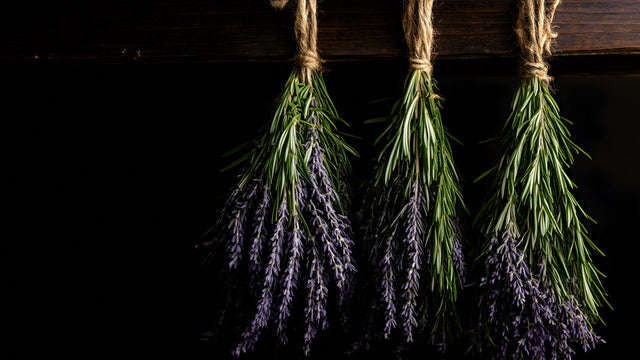 Aromatic perfumes76 perfumes
-
 Woody perfumes222 perfumes
-
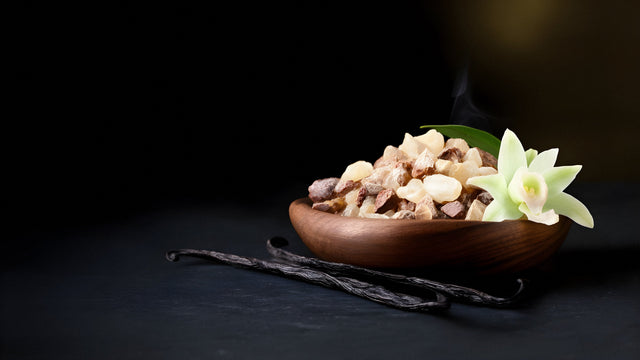 Amber perfumes211 perfumes
-
 Gourmand perfumes135 perfumes
-
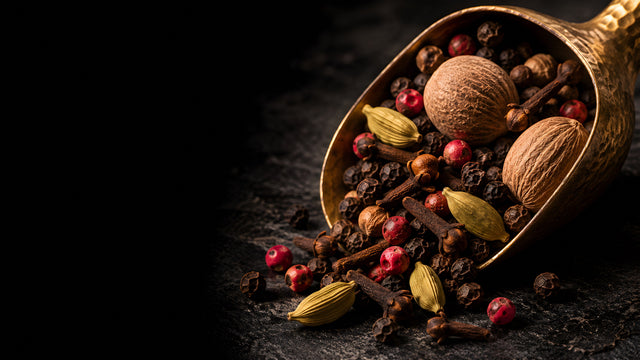 Spicy perfumes135 perfumes
-
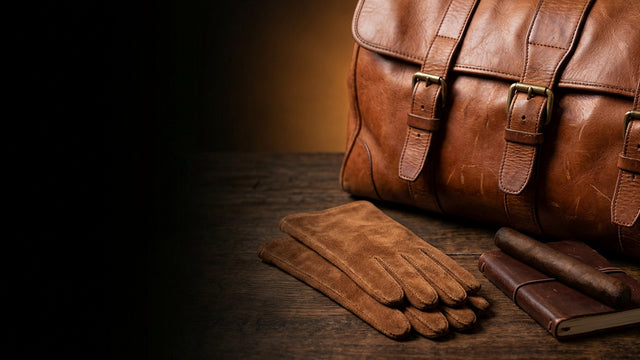 Leather perfumes38 perfumes
-
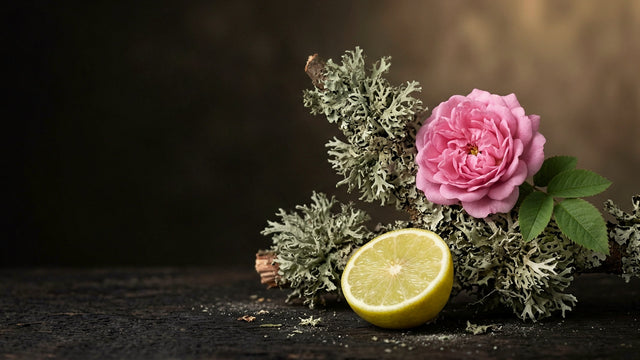 Chypre perfumes9 perfumes
-
 Aquatic perfumes38 perfumes
-
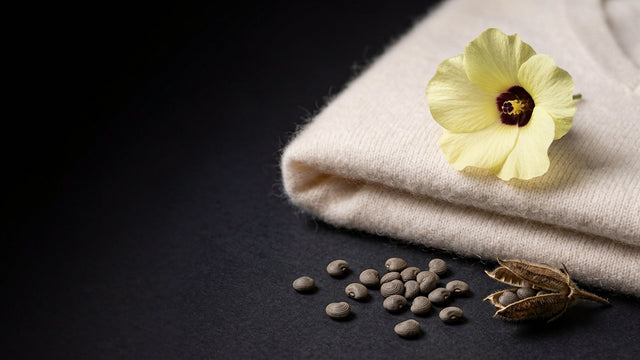 Musky perfumes36 perfumes
-
 Powdery and talc-like perfumes17 perfumes


