


Chypre perfumes
Fresh, mossy, enveloping. Chypre perfumes are born of a refined contrast: the brightness of bergamot in the opening and a base of oakmoss, labdanum and patchouli that leaves an elegant, lasting trail. The name is the French word for Cyprus, and since 1917 it has named one of the great families of perfumery. Rose and jasmine soften its heart. Its nuances range from green to fruity, from floral to leathery: these are perfect perfumes for autumn, for men and women alike. Here you will find chypre perfumes from the finest international niche brands.
All chypre perfumes
3 of 9 perfumes with the selected filters.
3 of 9 products
-
VELVET SPLENDOUR
Vendor:Goldfield & BanksRegular price €180,00Regular priceUnit price for


A guide to chypre perfumes
What is a chypre perfume?
A chypre perfume opens on the freshness of citrus, above all bergamot, and settles on a base of oakmoss, labdanum and patchouli. It is this base that defines the family: its unmistakable trait is the contrast between the light of the citrus accord and the forest-floor notes of oakmoss.
“Chypre” is the French name for the island of Cyprus. Scented powders called “de Chypre” had existed for centuries, but it was in 1917, with the Chypre created by François Coty, that the name of a perfume became the name of an entire fragrance family. Since then “chypre” has been a perfumery word all over the world, written and pronounced the French way.
The accord unfolds in three stages, as in the great classic chypres: at the top bergamot, which brings light and freshness; in the heart rose and jasmine, which soften the composition; in the base oakmoss, labdanum and patchouli, which define the family and give it staying power.
Classic, modern or fougère?
Around oakmoss, perfumery has built three great styles: the classic chypre, the modern chypre and the fougère, the neighbouring family.
The classic chypre
The 1917 accord
- What it isThe contrast between the light of bergamot and a warm, deep base of oakmoss and labdanum
- The notesBergamot at the top, rose and jasmine in the heart, oakmoss, labdanum and patchouli in the base
- For exampleFrançois Coty's Chypre, from 1917, and Mitsouko by Guerlain, created by Jacques Guerlain in 1919
The modern chypre
The patchouli signature
- What it isThe same contrast, reinterpreted with patchouli in the foreground, alongside oakmoss or in its place
- The notesCitrus and flowers over a base where patchouli takes the lead
- WhyPatchouli recreates the mossy depth of the base and brings the accord into today's perfumery
The fougère
The neighbouring family
- What it isAnother of the seven families of the French classification, which shares oakmoss with the chypre
- The notesLavender and coumarin over a base of oakmoss
- For exampleFougère Royale by Houbigant, created by Paul Parquet in 1882: the founder of the family
What sets the two families apart are the notes that accompany oakmoss: lavender and coumarin in the fougère, labdanum and patchouli in the chypre. And patchouli is part of the classic chypre accord: this is why modern chypres can put it centre stage while staying true to the accord.
From Chypre to today: the story of chypre perfumes
The name of an island, a legendary perfume and a century of classics. The main milestones:
- Before the 20th centuryScented powders called “de Chypre” had been part of perfumery for centuries, long before the chypre became a family.
- 1909Guerlain presents Chypre de Paris.
- 1917François Coty creates Chypre, on an accord of bergamot, oakmoss and labdanum: its name becomes that of an entire fragrance family. The original version is preserved at the Osmothèque.
- 1919Mitsouko by Guerlain, created by Jacques Guerlain: a fruity chypre and one of the great classics of the family.
- 1944Two great chypres in the same year: Femme by Rochas, created by Edmond Roudnitska, a fruity chypre, and Bandit by Robert Piguet, created by Germaine Cellier, a leather chypre.
- 1947Miss Dior, created by Paul Vacher and Jean Carles: another great post-war chypre.
- The 1970sAromatics Elixir by Clinique, born in the laboratories of IFF: a chypre with an unmistakable character.
- 1984The Technical Commission of the Société Française des Parfumeurs publishes the first edition of its classification, and the chypre is among its fragrance families.
- 2017EU Regulation 2017/1410 bans atranol and chloroatranol, natural components of oakmoss, in cosmetics: from 23 August 2019 products containing them may not be placed on the EU market, and from 23 August 2021 they may no longer be made available there.
- TodayUnder the 49th amendment of the IFRA Standard on oakmoss extracts, atranol and chloroatranol must each stay below 100 ppm. Perfumery uses low-atranol oakmoss that complies with these rules, and the heart of the chypre beats on.
Today niche perfumery reinterprets the accord in every direction: from the most classic chypres to floral, fruity, woody and leathery ones.
The raw materials of chypre perfumes
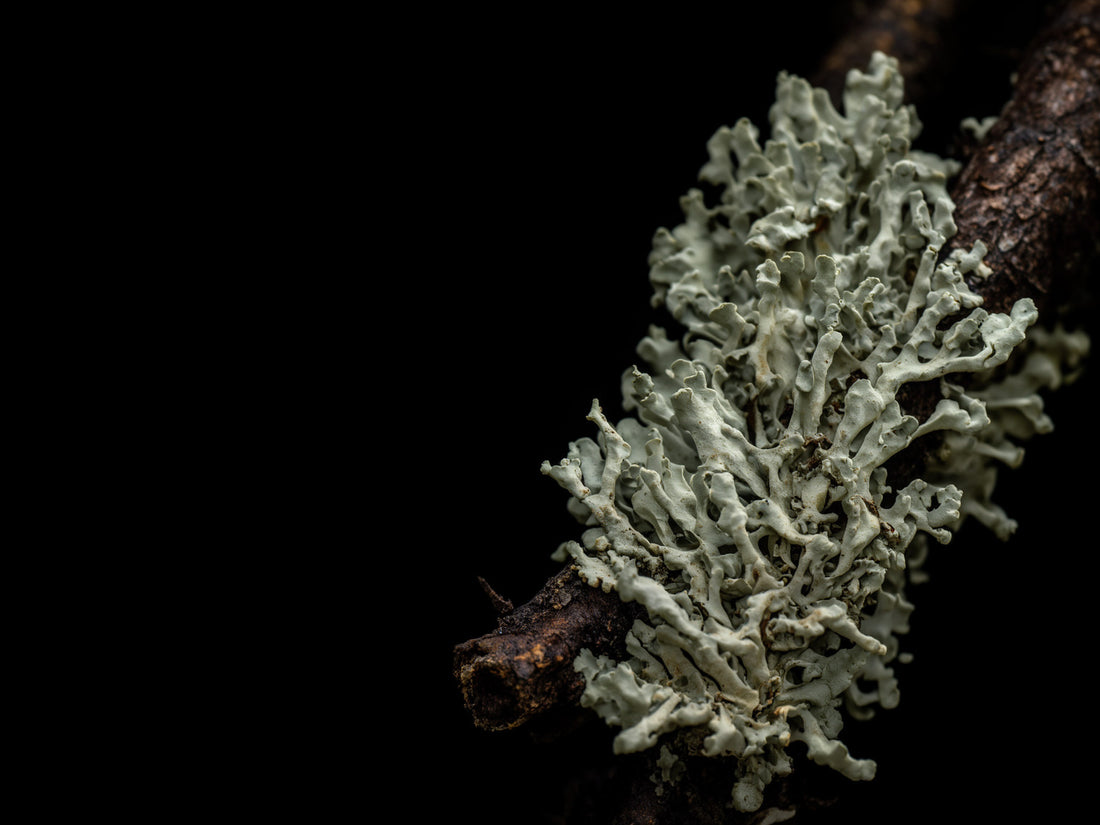
Oakmoss
Evernia prunastri · the Balkans and Morocco
Despite its name, it is a lichen, not a moss. It is dried and turned into an absolute. It is the essential ingredient of the chypre accord, and it was with the 1917 Chypre that it became the signature of an entire family; it is also one of the key elements of the fougère. Today it is used in low-atranol versions that comply with the IFRA Standard and EU rules: oakmoss thus remains the warm, deep signature of the family.

Bergamot
Citrus bergamia · Calabria
It is the top of the chypre accord. Around 90% of the world's bergamot oil comes from Calabria: the fruit is harvested in winter, from December to February, and the essence is obtained by cold pressing the peel. It takes about 200 kg of fruit to make 1 kg of essence. To its freshness it adds floral undertones, which blend with the heart of rose and jasmine.

Cistus and labdanum
Cistus ladanifer · Spain
Cistus is a shrub that produces a scented gum to protect itself from the heat. It is harvested by hand between summer and early autumn, above all in Andalusia; the branches are immersed in hot alkaline water and labdanum is extracted from the gum. It is one of the pillars of the chypre accord, and gives it an ambery, leathery warmth.

Patchouli
Pogostemon cablin · Indonesia
The leaves are dried and then steam distilled. Today patchouli is the signature of modern chypres: in the base it sits alongside oakmoss or takes its place. Raw material houses also describe its mossy facets.

Rose and jasmine
Rosa × damascena and Jasminum grandiflorum · Bulgaria, Turkey and India
They are the floral heart of the chypre, already present in the 1917 Chypre. Damask rose blooms once a year, between May and June, and it takes about 3,500 kg of flowers to make 1 kg of essential oil. Jasmine flowers are picked by hand early in the morning and turned into an absolute with a fruity touch.

Vetiver
Chrysopogon zizanioides · Haiti
Its roots are steam distilled. Haitian vetiver has earthy, slightly smoky accents, and it is one of the notes that enrich the base of chypres, alongside patchouli and labdanum.

Aldehydes
Aliphatic aldehydes · synthetic molecules
They occur in traces in essential oils, but in perfumery they are made by synthesis. They give a fresh, floral note, and Chanel N°5, in 1921, was one of the first great perfumes to make major use of them.
The nuances of chypre perfumes
Around the same accord, chypres can be sparkling or deep. From the freshest to the warmest, here are their main faces:
← FreshWarm →
Fresh and green chypre
Citrus and green notes take centre stage: the brightest, most sparkling face of the family.
Aromatic chypre
The accord meets aromatic notes: a chypre with a bold character, which also wins over those looking for a masculine perfume.
Floral chypre
The bouquet of flowers takes the lead and softens the mossy base.
Fruity chypre
Fruity notes make the accord juicier: this is the nuance of Mitsouko and Femme.
Woody chypre
Woods strengthen the base and give the accord a dry, elegant depth.
Leathery chypre
The deepest nuance: the leathery facets of labdanum meet leather, as in Bandit by Robert Piguet.
In our collection the most frequent second families are floral, woody and fruity: to explore every nuance, use the fragrance family or note filters.
When to wear a chypre perfume
Chypres are the perfumes of autumn: their mossy, woody notes evoke a walk through the woods. They are perfumes of character, refined and recognisable, and they are for everyone: the chypre accord is used in women's and men's perfumery alike. Alongside great feminine classics such as Mitsouko and Femme there are much-loved masculine chypres: choose the nuance that suits you, from the freshest and greenest to the deepest and most leathery.
Longevity is one of their great strengths. The base of oakmoss, labdanum and patchouli gives the perfume a staying power few families can match, and keeps it with you as it unfolds on the skin. In our collection the most frequent notes are bergamot and aldehydes at the top, jasmine in the heart, and patchouli and oakmoss in the base.
Frequently asked questions
What does “chypre perfume” mean?
“Chypre” is the French name for the island of Cyprus. In perfumery it names the family born of François Coty's Chypre of 1917: a perfume that opens on bergamot and settles on a base of oakmoss, labdanum and patchouli.
How do you pronounce chypre?
The French way: roughly “sheep-ruh”, /ʃiprə/, with the final “e” barely sounded.
What is the difference between chypre and fougère?
They are two neighbouring families that share oakmoss. The fougère was born in 1882 with Fougère Royale by Houbigant, created by Paul Parquet, and is built on lavender, coumarin and oakmoss. The chypre was born in 1917 with François Coty's Chypre and combines bergamot, oakmoss, labdanum and patchouli.
Does chypre have anything to do with “cipria”, face powder?
The two words look alike because they share the same root: “chypre” is French for Cyprus, and the Italian “cipria”, face powder, also comes from Cyprus, because it was originally the “powder of Cyprus”. But the meaning is different: a chypre is not a perfume that smells of face powder, it is a fragrance family built on a precise accord of bergamot, oakmoss, labdanum and patchouli.
Is oakmoss still used?
Yes. Today perfumery uses low-atranol oakmoss that complies with the IFRA Standard (49th amendment) and EU Regulation 2017/1410. In modern chypres patchouli often sits alongside it in the base.
Are chypre perfumes for men or for women?
They are for everyone: the chypre accord is used in women's and men's perfumery alike. Alongside great feminine classics such as Mitsouko and Femme, the family includes much-loved masculine chypres. The best way to choose is to try them on your skin.
Do chypre perfumes last long?
Yes: the base of oakmoss, labdanum and patchouli is the secret of their staying power. In our collection patchouli and oakmoss are the most frequent base notes.
Can I try a chypre perfume before buying it?
Yes. With every order over €100 you receive 10 free samples, and you choose 5 of them yourself: it is the easiest way to discover a chypre on your skin before buying the bottle. If you are near Rome, you can try them in person at our boutique in Nettuno.
Found your chypre perfume?
Choose from the 9 chypre perfumes in our boutique, signed by the finest international niche houses.
- 10 free samples with every order over €100, you choose 5 of them
- Free shipping in Italy on orders over €60
- Boutique in Nettuno, near Rome, to try them in person
Explore the other fragrance families
-
 Floral perfumes233 perfumes
-
 Fruity perfumes137 perfumes
-
 Citrus perfumes73 perfumes
-
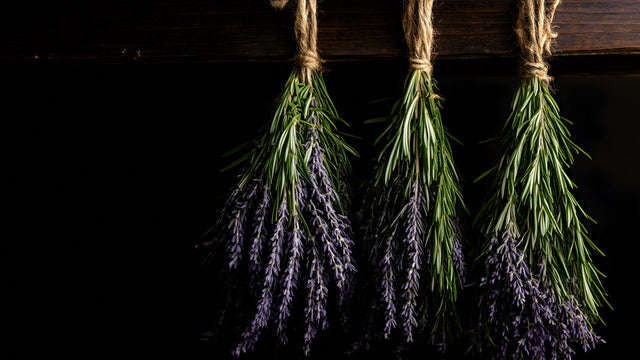 Aromatic perfumes76 perfumes
-
 Woody perfumes222 perfumes
-
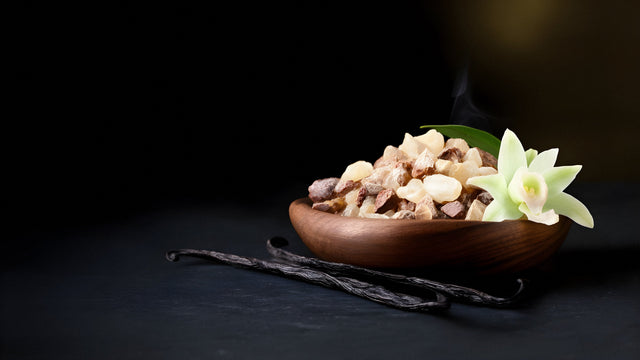 Amber perfumes211 perfumes
-
 Gourmand perfumes135 perfumes
-
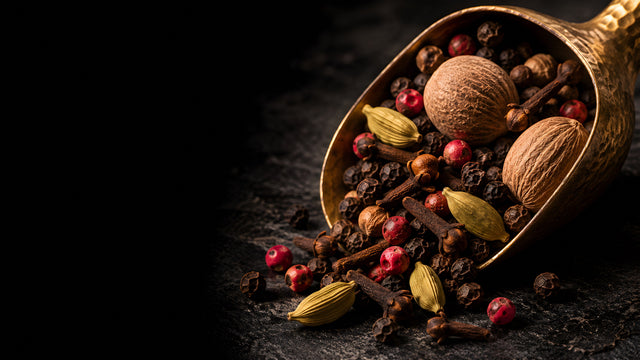 Spicy perfumes135 perfumes
-
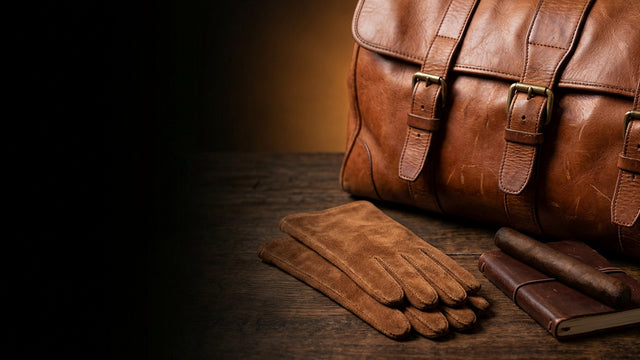 Leather perfumes38 perfumes
-
 Aquatic perfumes38 perfumes
-
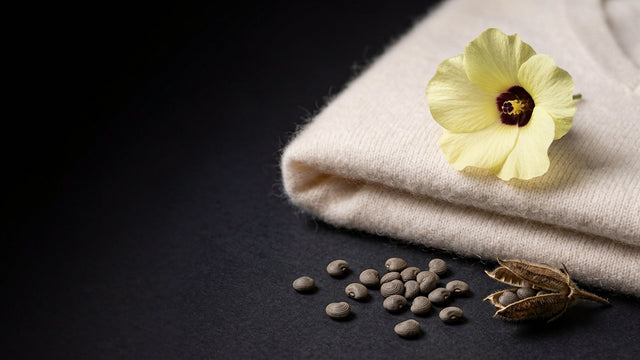 Musky perfumes36 perfumes
-
 Powdery and talc-like perfumes17 perfumes


